


Children with strong emotional skills
do not just cope better.
They live better.
Scroll to know more about
Social Emotional Learning
Appointment
Ages 2 to 16 years | Our Mumbai Centre or your Institution
Social Emotional Learning builds the emotional and social skills that determine how a child handles pressure, relationships, setbacks, and themselves. Skills no exam tests, but that shape everything else.
“My child knows what to do but struggles to manage how they feel.”
“I want my child to grow up emotionally intelligent, not just academically capable.”
- meaningful
- evidence-based
- personalised
- accessible
- psychologist-designed
- certified and awarded

90%
of top performers have high EQ

23%
improvement in social and emotional skills

77
indicators of life success linked to emotional intelligence

212
countries and territories where EQ development is now practised

What parents and children notice.
SEL results do not show up on a report card. They show up everywhere else: at home, at school, with friends, under pressure.

Stronger Relationships

Greater Resilience

Stronger
Self-Awareness

Emotional Vocabulary

Confidence and Presence
What is SEL?
The skills that shape a life, built deliberately.
Social Emotional Learning is the development of the skills that determine how a person understands themselves, relates to others, and makes decisions. Research consistently shows children with strong SEL skills perform better academically and have healthier relationships.
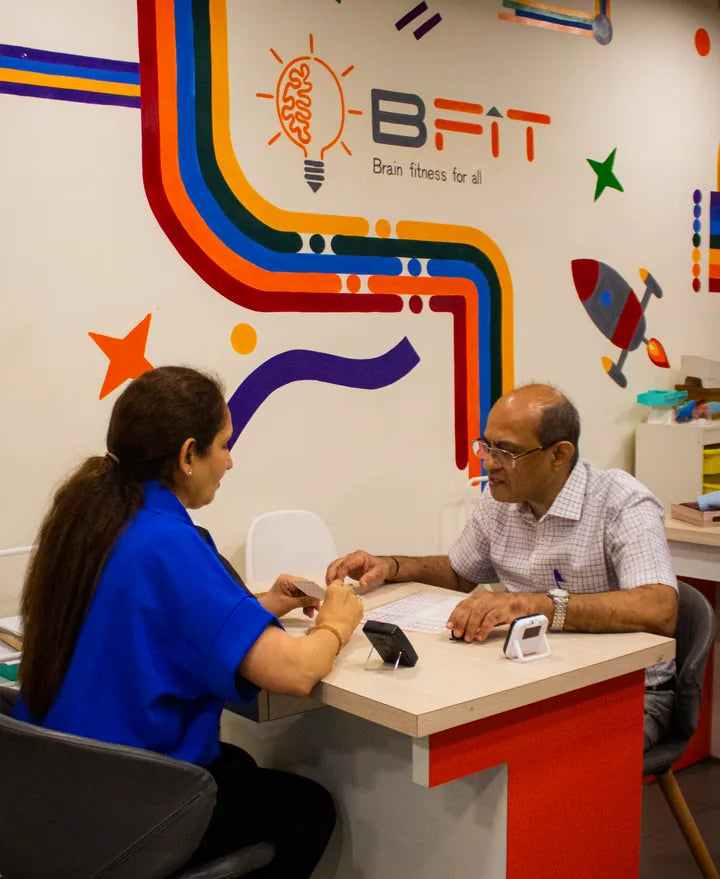
At B FiT, SEL is not a curriculum. It is a practice — structured activities, guided reflection, and real-life scenarios that develop skills that transfer beyond the room.
“Emotional intelligence is not a soft skill. It is the skill that makes every other skill work.”

What it develops
SEL core skills

Self-Awareness

Self-Management

Social Awareness

Responsible Decision-Making

Relationship Skills
What to Expect?
-
Discovery Session
A free conversation where we understand your child, what you are seeing, and what you are hoping for. We confirm whether SEL is the right fit and which format makes most sense.
-
Programme Design
We design a programme around your child's specific emotional and social profile — individual sessions, group placement, or a combination. Then we begin.
-
Regular Reviews
Progress is tracked and shared with parents throughout. SEL skills develop over time, and we make sure you always have a clear sense of what is changing and why.
- 2 - 16 years
- Frequency discussed at discovery
session based on individual goals - In person at our Mumbai centre,
or at your school or institution
Session Details
Format: Individual, small group, parent support, or school delivery
Progress reviews: Shared with parents regularly throughout the programme
- 90% of top performers have high EQ
- 23% improvement in social and emotional skills
- 77 indicators of life success linked to emotional intelligence
- 212 countries and territories where EQ development is now practised
Accredited, evidence-led, trusted since 2016.
How It Compares
SEL
Proactive skill-building. Develops emotional intelligence before difficulties arise.
Structured activities, guided reflection, real-life practice.
Suitable for all children. Most effective when proactive.
Develops skills that transfer to every area of life.
Counselling
Addresses emotional difficulties that have already arisen.
Talk-based. Relies on verbal expression.
Suitable when a child can verbalise their experience.
Develops coping strategies for current challenges.
A 20-minute discovery call is all it takes. We'll listen first, and only suggest what genuinely makes sense for you or your loved one.

What Families
Say!
Nisha R.
Mother of a 10-year-old · Social Emotional Learning
My son used to fall apart at the smallest thing. A lost game, a bad mark, a disagreement with a friend. Six months into the SEL programme, he handles things differently. He still feels it, he just does not collapse under it anymore.
A B FiT parent
Parent of an 8-year-old · Social Emotional Learning
What I liked most is that this was not about fixing a problem. My daughter was doing fine — we just wanted to give her more tools. That proactive approach made all the difference.
Questions We Hear Often
What exactly is Social Emotional Learning?
SEL is the development of the skills that determine how a person understands themselves, manages their emotions, builds relationships, and makes decisions. It is not therapy and it is not tutoring — it is skill-building.
My child seems fine. Is SEL still relevant for them?
Absolutely. Around half the children in our SEL programmes are doing well — their parents simply want to give them the emotional tools to stay that way. SEL is most effective when proactive.
How is SEL different from counselling?
Counselling addresses emotional difficulties that have already arisen. SEL builds the skills that prevent those difficulties, or make them easier to handle when they do arise. Some children benefit from both.
Individual or group: which is better?
It depends on the child and the goal. Individual sessions allow for deep personalisation; group sessions let children practise social and emotional skills in real time with peers. Many benefit from both at different stages.
How long before we notice a difference?
Most families begin noticing changes within 8 to 12 weeks, at home, at school, and in how the child handles everyday situations.